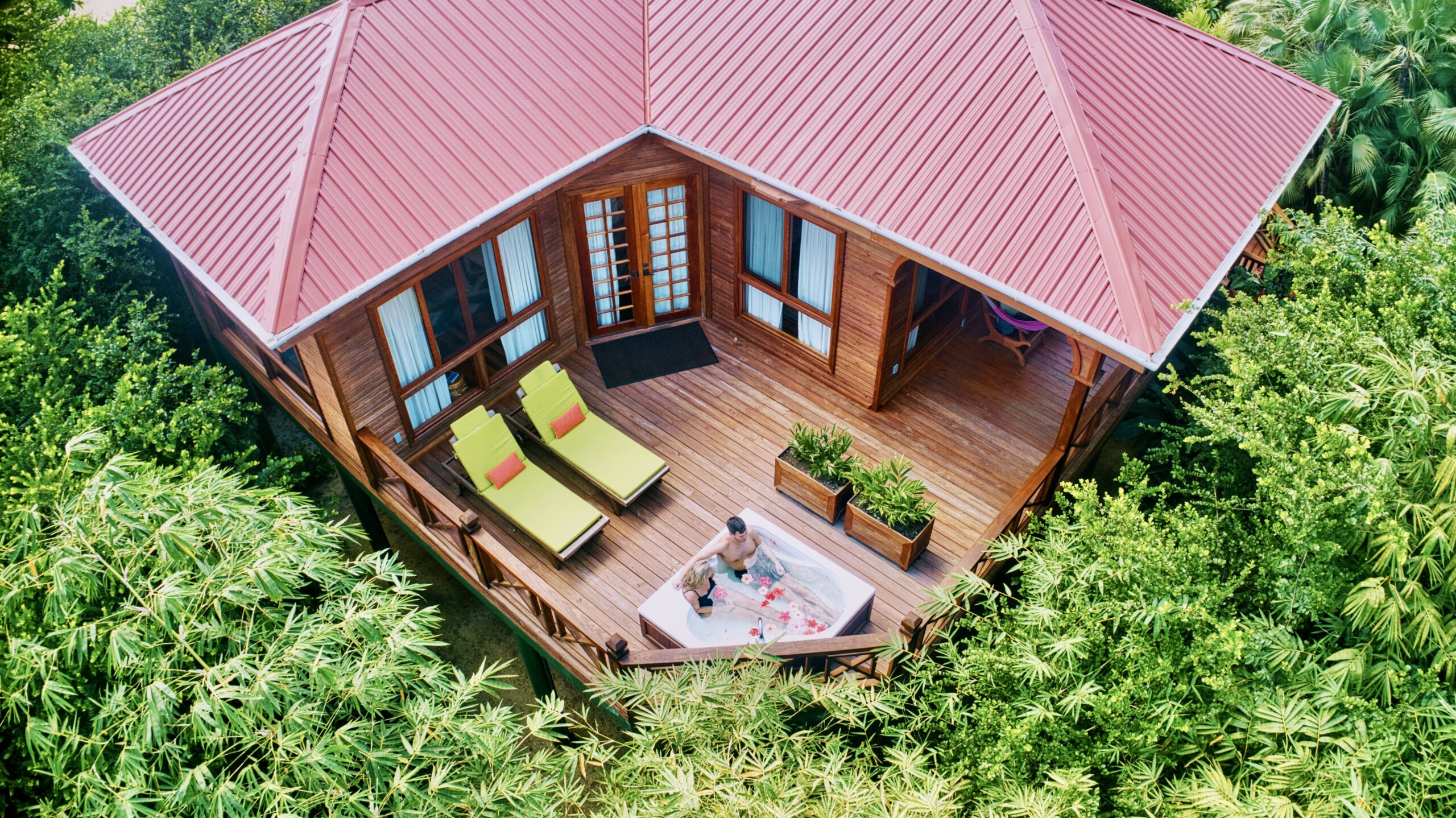
Understanding luxury at a resort in Belize is essential. Luxury at a Belize resort means something different than at a conventional beach destination: it’s measured in reef and rainforest access, guided expertise, privacy, and genuine service—not just thread counts and infinity pools [2]. A Belize resort earns its luxury status through the quality of its divemasters and naturalist guides, its eco-certifications and conservation practices, and how seamlessly it connects guests to the barrier reef and jungle rather than isolating them behind a resort wall. Hamanasi, on Belize’s southern coast, applies this definition directly—pairing high-end comfort with authentic adventure and sustainability.
What Does Luxury Actually Mean at a Resort in Belize?
In Belize, luxury is measured less by imported polish and more by what a property can put within reach: the barrier reef, the rainforest canopy, and the people who know both well. A luxury resort in Belize earns that label through access and expertise, not just square footage and amenity lists.
What does ‘eco-luxury’ actually mean, and why does it matter to travelers?
Eco-luxury means the resort’s environmental practices are a visible, functioning part of the guest experience rather than a line in a sustainability report. For the Milestone Couple planning a honeymoon or anniversary trip, this distinction answers a real worry: whether “eco” claims hold up or amount to marketing dressed in green. Belize’s barrier reef and rainforest are the actual product being sold, so a resort that degrades them is undermining its own value proposition. That’s part of why Hamanasi Adventure & Dive Resort was recognized with an International Sustainability Award from Luxury Lifestyle Awards, which cited the integration of environmental regeneration and social responsibility into day-to-day operations rather than treating them as separate initiatives [1] [3]. That kind of recognition functions here the way a spa menu or skyline view might elsewhere, it’s the currency guests are actually buying.
How does Hamanasi balance environmental responsibility with high-end service and amenities?
At 30 rooms, Hamanasi pairs small-property scale with a staffing model built around anticipation rather than reaction. A low guest-to-staff ratio changes the texture of a stay in concrete ways: itineraries get built around a couple’s needs, divemasters remember preferences from one outing to the next, and requests get handled before a guest has to ask twice. That’s a different kind of attentiveness than a 400-room property can offer at scale, no matter how polished its lobby.
Privacy follows the same logic. A smaller footprint on Belize’s southern coast, situated between the Maya Mountains and the Belize Barrier Reef [1], means fewer guests sharing the same reef locations, trail systems, and dining room, a structural form of exclusivity that doesn’t depend on walling guests off from the destination. Positioned this way, Hamanasi stands as a working example of what luxury means in Belize specifically: genuine Belizean hospitality, guided reef and rainforest access, and conservation credentials, delivered at a scale where service stays personal rather than procedural.
What Are the Accommodation Tiers at a Luxury Resort in Belize, and What Do They Trade Off?
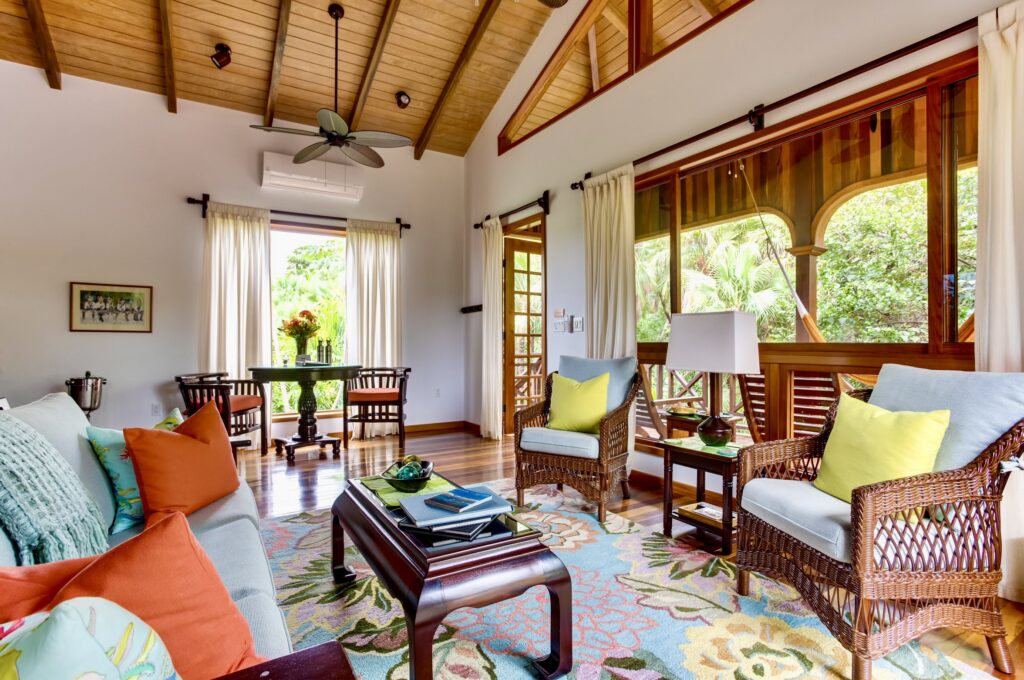
A luxury resort in Belize typically sorts rooms into three tiers—standard luxury rooms, Beachfront suite, and stand alone treehouses—each trading privacy and seclusion against convenience and walkability.
The choice is not just about square footage. It determines how close you’ll be to the dock each morning, how much natural sound surrounds your room at night, and whether you’re optimizing for romance or for closer access to dive boats and guided trips.
Standard Luxury Rooms: Convenience First
Standard luxury rooms sit closest to the main lodge, restaurant, and dock—the shortest walk to breakfast, the dive shop, or a morning rainforest excursion. Guests trade some privacy for proximity: adjacent rooms, more foot traffic nearby, and a view that’s often pool-facing rather than unobstructed beachfront. For a dive-focused trip where you want to roll out of bed and onto a boat with minimal logistics, this tier usually makes the most sense. It also tends to sit at the more budget-friendly end of the luxury spectrum, without sacrificing the core amenities that define the category.
Beachfront Suites or Villas: More Space and Convenience
Beachfront Suites and villas are more spacious, but also near the main lodge, restaurant, bar and dock. They provide quick access to morning dives, snorkel trips or inland adventures. These luxurious suites or villas combine plenty of space to spread out with convenient access to resort activities, but with more people nearby.
Treehouse: A Different Sensory Register
Treehouse and especially Deluxe Treehouses change the experience entirely. Set amidst the the jungle canopy, they trade ocean views for coastal forest immersion—chachalacas at dawn, coatimundis throughout the day and cicadas at dusk, and private decks suspended above the forest floor rather than the sand. Hamanasi’s own treehouse rooms exemplify this: guests wake to canopy views and the sound of birds rather than surf, a deliberate departure from beachfront convention that appeals specifically to travelers who came to Belize for the rainforest as much as the reef [4]. This tier generally commands premium pricing given its amenities and privacy.
Matching room type to purpose matters more than chasing the highest category available—a honeymoon built around privacy looks different from a dive trip built around dock access. For a broader comparison of how different properties approach these trade-offs, it’s worth reviewing an overview of the top luxury resorts in Belize to see how accommodation styles vary across the region.
Why Are Reef and Rainforest Access Central to Luxury in Belize?
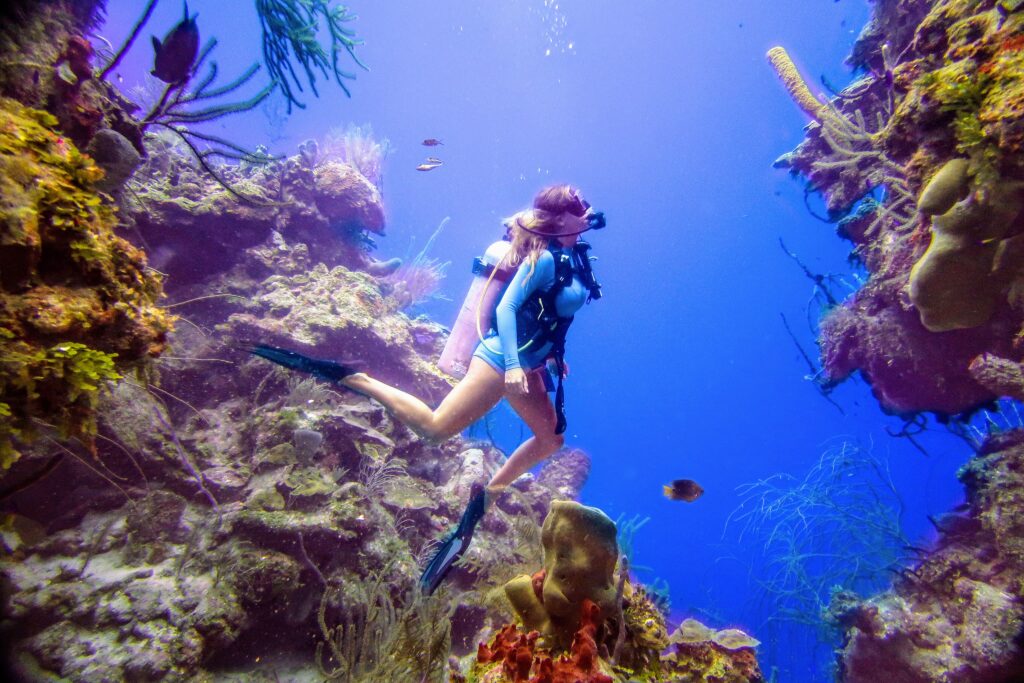
Reef and rainforest access define luxury in Belize because no other Caribbean destination lets guests dive a barrier reef in the morning and zipline in the jungle by afternoon, from a single property, without long transfers.
Belize’s barrier reef runs the length of the country’s coast, and the Maya Mountains in the south rise just inland. A genuine luxury resort in Belize sits close enough to both that a day trip doesn’t eat the whole day. That geography is rare. Most Caribbean luxury destinations force a choice: reef access with no meaningful rainforest, or inland lodges with no reef at all. Belize’s southern coast is one of the few places where both sit within a short boat ride or drive, which is why resorts built around that access treat it as the core product, not an add-on excursion desk.
What are the best seasons to visit for diving, adventure, and wellness?
Visibility, wildlife activity, bird life and pricing levels shift enough by season that timing changes the experience, not just the weather.
- Winter months (December–April): Cooler, drier conditions suit rainforest hikes and wildlife spotting, with less rain interrupting inland excursions. Migratory birds are present, making this the best time for birding
- Late spring through early summer (April–June): Calmer seas and strong underwater visibility make this a ideal time for diving and reef snorkeling.
- Green season (June–November): Rainy season begins, but mostly it rains a night. The highest risk of a hurricane is August – mid November. However, prices are much more affordable, a trade-off worth weighing against visibility and trip flexibility. Furthermore, there are fewer visitors, so excursion sites often feel completely private.
Guides adjust site selection and trail routes around these patterns, which is part of what separates a managed itinerary from a guest trying to time all of this alone.
How does reef and rainforest access compare across luxury properties in Belize?
Not every upscale Belize property offers equal access to both ecosystems, and that gap matters more than thread count or room size.
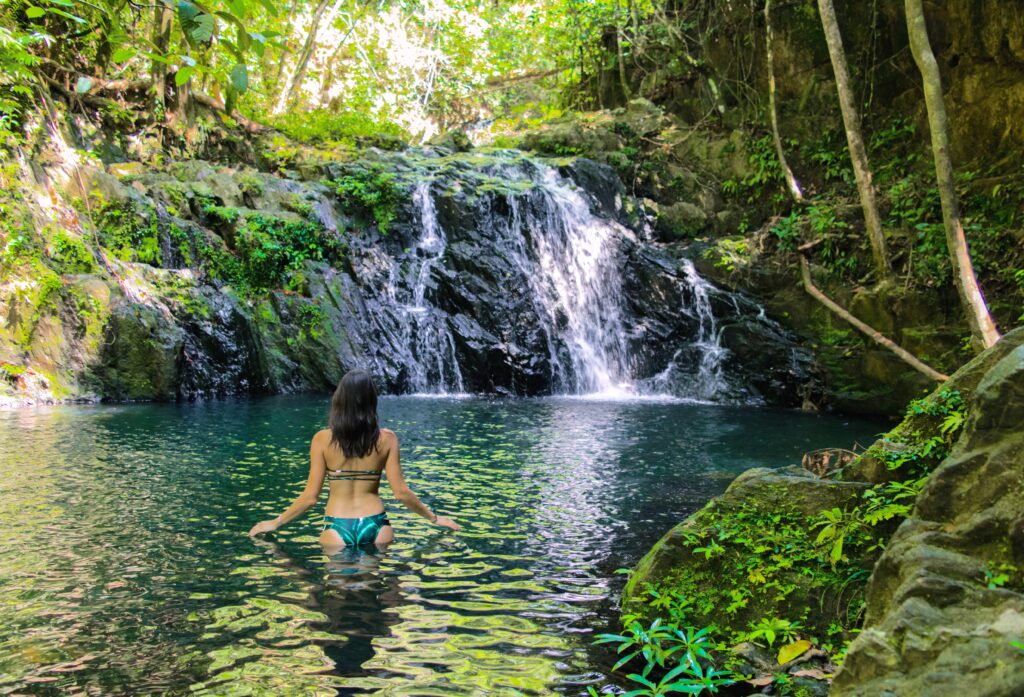
Island-based luxury resorts often sit closer to the reef but have no rainforest nearby, limiting guests to marine excursions. Inland jungle lodges flip that equation, offering rainforest walks and Mayan site access but requiring a longer transfer to reach good reef sites. Properties on Belize’s southern coast, including Hamanasi Adventure & Dive Resort, sit in the narrower band where both are reachable on the same-day, which is why guided reef and rainforest access functions as a defining differentiator rather than a marketing line.
Guide expertise changes outcomes as much as proximity does. A trained divemaster knows which reef sites suit a given tide and visibility that morning, and can spot a spotted eagle ray or hidden lobster a first-time snorkeler would swim past. Naturalist guides do the same work on land, picking out a howler monkey troop lounging in trees or a wood thrush in a low thicket that goes invisible to an untrained eye. That expertise, paired with same-day access to both the barrier reef and the rainforest, is the dimension of luxury generic beach resorts elsewhere in the Caribbean simply cannot replicate.
How Do Sustainable Practices Strengthen Luxury at a Belize Resort?
Sustainability is not a trade-off against comfort at a luxury resort in Belize, it is the mechanism that protects the reef, forest, and wildlife encounters guests are paying to experience. A degraded reef makes for a disappointing snorkel trip regardless of how nice the villa is.
Healthy Ecosystems Produce Better Excursions
The logic runs in one direction: conservation today is excursion quality tomorrow. A barrier reef with intact coral cover and healthy fish populations delivers better diving and snorkeling than a stressed one, and a rainforest with protected canopy supports the wildlife sightings that make a jungle hike memorable. Resorts that treat conservation as core infrastructure, not an add-on, are protecting the asset their entire guest experience depends on.[2]
What Sustainable Operations Actually Look Like
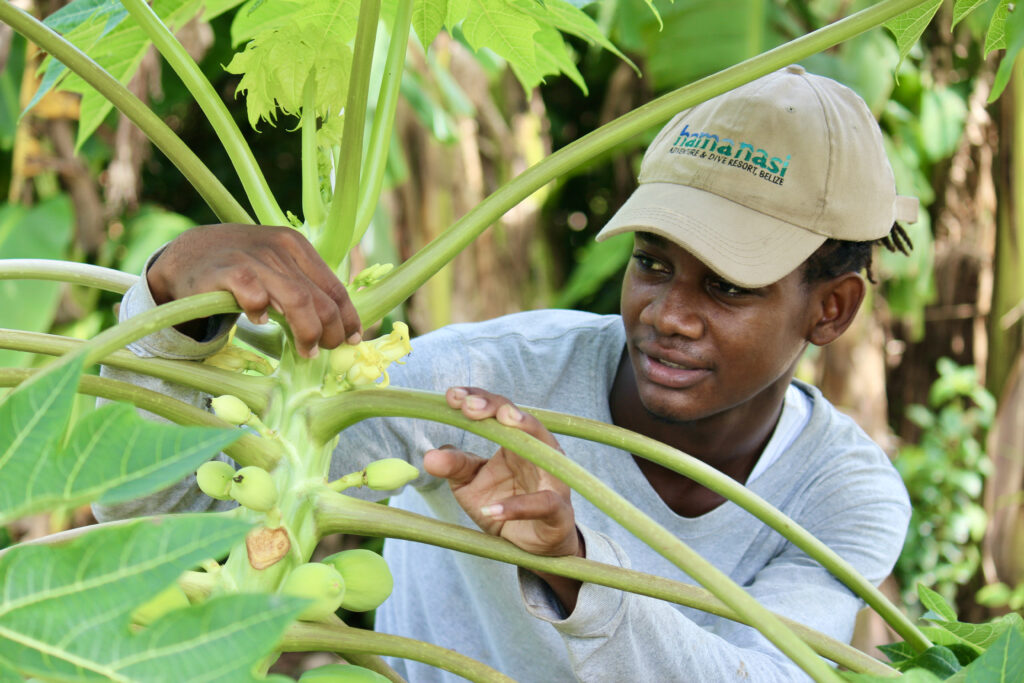
Concrete practice matters more than language on a website. Look for energy and water conservation systems, waste reduction and recycling programs, and kitchens sourcing Belizean-grown produce and local seafood rather than imported, carbon-heavy ingredients. Equally telling is whether a property hires and trains guides, divemasters, and hospitality staff from surrounding communities, people with a direct stake in keeping the reef and forest intact, because it is their home ecosystem, not a backdrop.
Certification Versus Marketing Claims
A discerning traveler should distinguish verified eco-certification from unverified “green” language in a brochure. Hamanasi Adventure & Dive Resort holds Regenerative Travel’s Founding-Member designation and was named recipient of the International Sustainability Award from Luxury Lifestyle Awards [1], which recognizes resorts integrating environmental regeneration, social responsibility, and guest service into daily operations rather than treating them as separate initiatives. Furthermore, it has achieve gold level Green Globe certification. That kind of third-party recognition carries more weight than a self-described “eco-friendly” label with no backing.
Why This Is a Design Choice, Not a Compromise
None of this requires sacrificing comfort. Hamanasi’s treehouse suites and beachfront rooms deliver the same attentive, personalized service guests expect from upscale hospitality, built on a southern coast property positioned between the Maya Mountains and the Belize Barrier Reef. Sustainability shapes how that luxury is delivered: locally sourced meals, community-trained guides, resource-conscious operations, rather than limiting what guests receive.
How Do Dining, Pricing, and Booking Shape the Luxury Resort Experience in Belize?
Belize’s luxury tier is built on curated excursions and quality ingredients rather than unlimited buffets and poolside bars, so pricing reflects experience design, not volume consumption. Understanding that distinction matters more than any single room rate when comparing properties. Travelers researching options may also find it useful to review a guide on what to consider when choosing a luxury hotel in Belize before narrowing down a shortlist.
What’s typically included, and how does pricing compare to all-inclusive versus à la carte resorts?
All-inclusive packages at a luxury resort in Belize bundle lodging, meals, and a set menu of guided activities into one rate, which suits travelers who want predictable budgeting before they land. À la carte structures charge for the room separately and let guests build their own mix of dive trips, spa treatments, or jungle excursions, better for travelers with a specific focus, like a dive-heavy itinerary or a wellness-centered week.
Whether Belize offers “true” all-inclusive luxury compared to conventional Caribbean resorts depends on what a traveler expects that phrase to mean. Mass-market Caribbean all-inclusives typically compete on volume: unlimited drinks, multiple buffet lines, nonstop entertainment. Belize’s model centers instead on a handful of well-guided, resource-intensive excursions, a reef dive with a certified dive master, a day trip to Mayan pyramid, a rainforest hike with a naturalist guide, which costs more per activity, but delivers a different kind of value. Travelers weighing a luxury hotel in Belize should budget for this trade: fewer activities, each with higher production value, rather than a buffet of options.
Cost tiers run from budget-friendly guesthouses with à la carte everything, through mid-range resorts bundling meals and a couple of excursions, up to premium properties where multi-course dining, private guides, and boutique accommodations are built into the rate. Expect the premium tier to price activities like two-tank dives or private sunset cruises as part of a package rather than an add-on menu.
Are there package options for couples, divers, families, or adventure travelers?
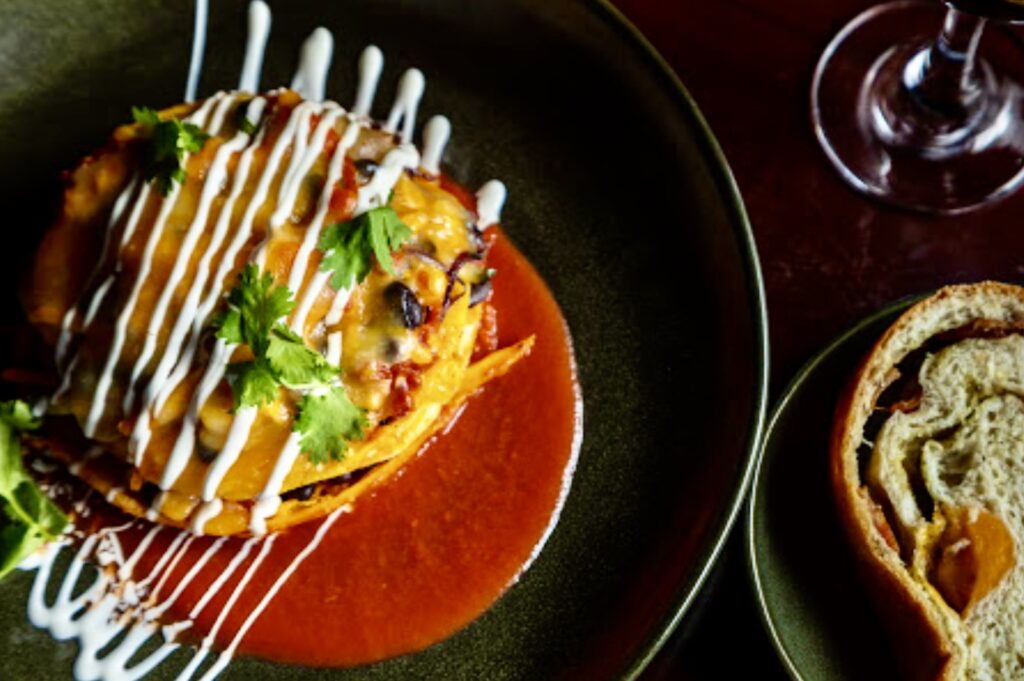
Yes, honeymoon and anniversary packages typically add private dinners and spa credits, dive-focused packages bundle boat trips and equipment, family packages include multi-generational room configurations, and wellness packages lean on more yoga or spa time in addition to excursions. Dining across these tiers favors fresh catch, local produce, and Belizean dishes over generic international spreads, a point that distinguishes the region’s top properties from chain resorts elsewhere in the Caribbean.
Booking windows matter: peak season (December through April) fills dive and adventure packages and treehouse-style rooms months out, so travelers planning a milestone trip should book early rather than assume flexibility on arrival.
Frequently Asked Questions
Does Hamanasi have private suites or treehouses for extra privacy?
Yes, Hamanasi offers luxury treehouse rooms set on stilts in the tree canopy alongside beachfront suites, giving couples a choice between jungle seclusion and ocean views. Both room categories include package options with daily meals and beverages, so privacy doesn’t come at the expense of service.
Is Belize considered a true all-inclusive luxury destination?
Belize delivers all-inclusive luxury through a different model than Caribbean mega-resorts, packages bundle lodging, meals, and guided excursions rather than unlimited buffets and swim-up bars. At resorts like Hamanasi, “all-inclusive” means meals, reef trips, rainforest hikes, and Mayan site visits folded into one booking, with personalized service replacing high-volume amenities.
When is the best time to visit a luxury resort in Belize?
Late November through April offers the driest weather and best visibility for reef excursions and diving. Other months (May and early November) bring fewer crowds and lower rates, though afternoon showers become more frequent heading into August and September.
How does luxury in Belize compare to other Caribbean luxury destinations?
Belize trades large-scale resort infrastructure for smaller, adventure-focused properties where guides and reef access define the experience. Islands like the Bahamas or Turks and Caicos compete on beachfront scale and nightlife; Belize’s southern coast competes on barrier reef proximity, rainforest access, and a lower guest-to-staff ratio that favors personalized attention over volume.
What do guests value most about staying at an eco-luxury resort versus a conventional luxury property?
Guests most value knowing their stay funds real conservation work, not just marketing claims. Hamanasi’s International Sustainability Award from Luxury Lifestyle Awards [1] recognizes this kind of integrated approach, pairing guest service with measurable environmental practices, rather than treating sustainability as a separate checkbox from the luxury experience itself.

Conclusion
Luxury in Belize means something specific: reef and rainforest access guided by trained naturalists, eco-certifications backed by real conservation work, and a service ratio that makes a 20-room property feel more personal than a 500-room beachfront tower. Hamanasi’s position between the Maya Mountains and the Belize Barrier Reef [1], paired with being awarded by TripAdvisor #1 Hotel in Central America and #15 in the world rankings, shows what that definition looks like in practice.
Before booking, compare accommodation types and package options. Request a sample daily itinerary from any shortlisted resort to see how guided excursions are actually built into the package.
Sources & References
- HAMANASI ADVENTURE & DIVE RESORT HONORED WITH INTERNATIONAL SUSTAINABILITY AWARD BY LUXURY LIFESTYLE AWARDS | Markets Insider
- THE HAMANASI SIGNAL: HOW A BELIZEAN RESORT REDEFINED GLOBAL LUXURY | Brief Glance
- SUSTAINABLE BRANDS YOU CAN TRUST | The Independent
- YOUR TRAVEL DECISIONS CAN HAVE A POSITIVE IMPACT | Sierra
About the Author
Written by the Hospitality & Ecotourism experts at Hamanasi Adventure & Dive Resort, Belize. Our team brings years of hands-on experience helping businesses with Hospitality & Ecotourism, delivering practical guidance grounded in real-world results.